

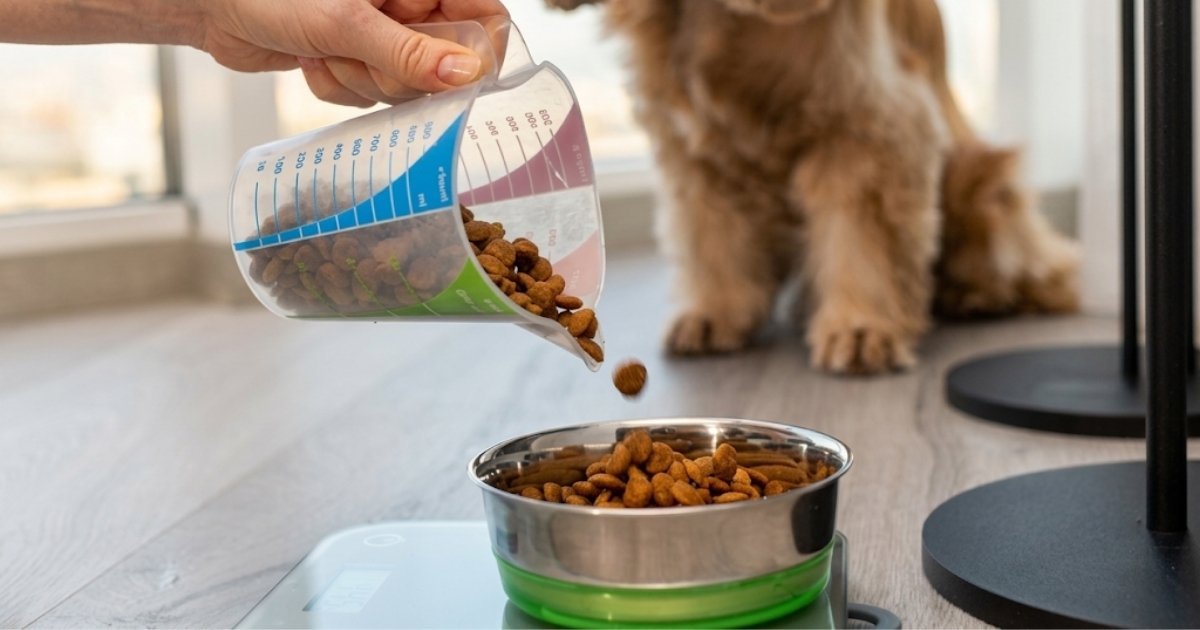
Ever opened a bag of kibble and caught a greasy, sour smell? That smell is a warning. Your pet’s food has started to break down. A good pet food storage container can stop that process early. It helps you keep kibble fresh, protects your budget, and keeps your pet healthy.
Many US families buy large bags to save money. That makes sense. However, a 30 lb bag can take weeks to finish. During that time, air, heat, and humidity attack the food. This guide covers the types of pet food bin options, the best materials, and the seven mistakes that ruin kibble freshness. You’ll also learn how to store dog food the smart way.
Why Use a Pet Food Storage Container?
Think of kibble like a sliced apple. Once air touches it, the clock starts ticking. Oxidation turns the healthy fats in the food into rancid fats. That causes nutrient loss and leaves you with stale kibble that many pets refuse to eat. A sealed dog food storage container slows this damage. It helps you protect pet nutrition from the first scoop to the last.
Pests are another problem. Ants and rodents can chew through paper bags in a single night. Pantry moths also love dry food. A strong lid gives you pest protection and helps you prevent pests before they start. Sealing the food also helps seal out air and moisture, which lowers mold growth and bacteria buildup. Poor storage can add a Salmonella risk for both pets and people. The FDA has long advised owners to handle and store pet food with the same care as human food, and that advice appears on its FDA pet food safety pages.
Types of Pet Food Storage Containers
Not all bins work the same way. Each type fits a different home and routine. An airtight pet food container is the safest all-round choice. Stackable bins work well in small kitchens. A wheeled bin helps if you lift heavy bags often. A vacuum-seal canister pulls out extra air for longer storage. Brands such as Vittles Vault and Petmate sell several of these styles.
Some homes need something more specific. A portable travel container keeps a few days of food ready for road trips. A treat container keeps snacks crisp and safe from curious paws. A large-capacity vault suits big dogs and bulk buyers. A cat food storage container can be smaller and easier to open. The table below shows how the main types compare.
| Type | Best For | Main Benefit | Possible Downside |
| Airtight pet food container | Everyday freshness | Strong seal | Costs more than basic tubs |
| Stackable bins | Small spaces | Saves floor room | Smaller capacity |
| Wheeled bin | Large bags | Easy to move | Bulky |
| Vacuum-seal canister | Bulk buyers | Removes extra air | Needs a pump or special lid |
| Portable travel container | Trips | Light and handy | Holds little food |
| Treat container | Snacks | Keeps treats crisp | Not for full meals |
Best Materials for Food Containers
Material matters more than most people think. BPA-free plastic is light, cheap, and easy to find. Always pick food-grade plastic so no harmful chemicals reach the food. Plastic can hold on to oils over time, so odor resistance varies by brand. Stainless steel is tougher. It resists scratches and smells. It is also chew-proof, which helps if you own a curious puppy.
A glass jar is the third option. Glass is non-porous, so it gives top odor resistance and cleans very easily. However, it is heavy and can break. That makes it better for cat food or small bags. An opaque container blocks light, which helps protect fats and vitamins. A clear window lets you see how much food is left, but light can reach the food through it. Many owners pick the best of both worlds, a dark bin with a small viewing strip.
| Material | Strengths | Weaknesses | Best For |
| BPA-free plastic | Light and affordable | Can hold odors | Most households |
| Stainless steel | Durable and chew-proof | Higher price | Large dogs and puppies |
| Glass jar | Easy to clean | Heavy and fragile | Cats and small pets |
How to Choose the Right Container
Start with your bag size. Many owners ask what size container for a 50 lb bag of dog food. A 50 lb capacity bin is the usual answer, but a little extra room makes pouring easier. Measure the shelf or pantry first. Then check the lid. A gasket seal with locking latches holds air out far better than a simple snap lid. A wide opening makes scooping simple. A measuring scoop keeps portions fair and steady.
Think about where the bin will live. A garage needs a tougher lid and strong pest protection. A small apartment needs a slim shape, so check pet food storage ideas for small spaces, such as slim towers or under-counter bins. Big dogs need the best dog food storage for large breeds, which means a large-capacity vault with strong handles or wheels. If you shop for a dog food container 50 lbs or larger, read reviews on Amazon, Chewy, or Petco before you buy. The chart below matches common bag sizes to bin sizes.
| Bag Size | Suggested Bin Capacity |
| 5 to 10 lb | 12 to 15 lb |
| 15 to 20 lb | 25 lb |
| 30 lb | 40 lb |
| 40 to 50 lb | 50 to 60 lb |
How to Store Pet Food Properly
Place the bin in a cool, dry place. Heat speeds up spoilage, and damp air invites mold. Keep it away from the stove, the dryer, and sunny windows. Many owners wonder about the best container for storing dog food in a garage. If you must use that space, pick a heavy-duty bin and check the food often. Some people prefer to store in garage or mudroom areas only during mild seasons.
Next comes a common question. Should dog food be stored in the original bag? In most cases, yes. Slide the whole bag into the bin. The bag keeps the batch number and expiration date, which you need during a pet food recall. It also adds a second layer against oil buildup on the bin walls. Use the first in, first out rule. Finish the older bag before you open a new one. Wet food needs different care. For how to store wet pet food after opening, cover it tightly and refrigerate it. Most brands suggest using it within a few days, so follow the label.
Common Pet Food Storage Mistakes
Even careful owners slip up. Small habits can quietly damage food over weeks. Fixing them costs almost nothing. As Benjamin Franklin said, “An ounce of prevention is worth a pound of cure.” The table below lists the seven mistakes that hurt kibble freshness the most, along with a quick fix for each one.
| Mistake | Why It Hurts | Easy Fix |
| 1. Storing food in a hot garage | Heat speeds up spoilage | Move it to a cool, dry place |
| 2. Topping up old kibble with new | Old food stays at the bottom and goes stale | Empty and wipe the bin first |
| 3. Never washing the bin | Oil buildup turns rancid | Wash with warm soapy water |
| 4. Using a cracked or loose lid | Air and pests get in | Replace the lid or bin |
| 5. Tossing the original bag | You lose the batch number and expiration date | Keep the bag inside the bin |
| 6. Leaving the lid open | Moisture exposure and odors | Close it after every scoop |
| 7. Buying a bin that is too big | Extra air speeds up oxidation | Match the bin to your bag |
Here is a simple case study. Imagine a family in Ohio with a Labrador. They kept a 40 lb bag clipped shut in the garage during summer. Within a month, the food smelled sour, and the dog turned away from the bowl. They switched to an airtight bin in the kitchen pantry and kept the bag inside. The food stayed fresh until the last scoop, and the dog ate every meal. The example shows how location and sealing work together.
How Often to Clean Containers
Many people ask how often to clean a dog food container. The best answer is every time the bin runs empty. If you feed oily food or wet food, wash it weekly. Skipping this step lets oil buildup and bacteria buildup spread. Left alone, those oils can turn rancid and spoil the next bag. Regular washing also helps with odor control and keeps the container safe for your pet.
Follow a simple routine. Empty the bin and wipe out loose crumbs. Wash it with warm soapy water and rinse it well. Dry it completely before you refill it, since even a few drops can cause mold growth. Check the airtight lid, the threaded lid, or the screw-down lid for old food stuck in the grooves. Replace the bin if it smells bad, has deep scratches, or has a warped lid.
Top Pet Food Storage Container Picks
Choosing a pet food storage container gets easier when you know your needs. Below are the main categories, with example styles to look for. Prices change often, so check current listings at Amazon, Chewy, or Petco before you buy. Brands such as Vittles Vault, which uses Gamma Seal lids, offer several of these styles. The Vittles Vault line from Petmate is a popular choice for airtight designs.
Match the pick to your pet and your space. A cat food storage container can be small, since cats eat less. Large dogs do better with a large-capacity vault. If you want to organize pet food for several pets, stackable bins keep everything in one neat column. A treat container and a portable travel container round out a complete setup.
| Need | Best Pick | Why It Works |
| Best overall | Airtight wheeled bin with a gasket seal | Strong seal and easy to move |
| Budget | BPA-free plastic tub | Low cost and light |
| Large dogs | Stainless steel bin, 40 lb or more | Chew-proof and tough |
| Cats | Small glass jar | Odor resistance and easy cleaning |
| Small spaces | Stackable bins | Saves room |
| Travel | Portable travel container | Easy to carry |
Conclusion
Fresh food leads to a happier pet. A sealed kibble storage container protects against air, pests, and moisture. Choose a sturdy bin, keep it clean, and store it in a cool spot. Keep the original bag inside, and use the oldest food first. Small habits like these protect your pet’s health and your wallet.
Now you know how to keep kibble fresh the simple way. Pick the pet food storage bin that fits your bag size and home. Then enjoy the peace of mind that comes with fresher meals. Your pet will notice the difference at every bowl.
FAQs
How long does dry dog food last once opened?
Most opened bags stay fresh for about six weeks. Check the label and the expiration date, and keep the bag in an airtight bin in a cool, dry place.
Is plastic safe for pet food?
Yes, if you choose food-grade plastic that is also BPA-free plastic. Replace cracked or scratched bins quickly because they trap oils and bacteria buildup.
Are airtight dog food containers worth it?
For most owners, yes. They slow oxidation, block moisture exposure, and give strong pest protection, which means less wasted food.
What size container do I need for a 50 lb bag of dog food?
Choose a bin with a 50 lb capacity or slightly more, such as 50 to 60 lb. The extra room makes pouring easier and keeps the original bag fitting inside.
How often should I clean a dog food container?
Wash it every time it runs empty, using warm soapy water. For oily or wet food, clean it weekly to prevent oil buildup and odors.

Pet lover and writer at AnyPetHub.com, sharing simple and helpful tips on pet care, nutrition, grooming, behavior, and products.